Along transport routes, retail runs around the clock with small teams: fuel-station convenience stores, shops in train and bus stations, airport concessions. Electronic shelf labels let a network of these sites change prices centrally without anyone walking the shelves at night, and e-paper signs bring the same low-power, no-cabling approach to timetables, notices and wayfinding. This page covers forecourt retail and transit locations, with examples from fuel-station stores in Romania and China.
Why transport retail suits electronic labels
- Many small sites, one price list. A fuel or transit retail network may run hundreds of shops with the same range. Central price changes reach every shop at once.
- Small teams, long hours. Staff on a night shift should serve customers, not relabel shelves. Promotions can start at midnight without anyone touching a tag.
- Fast-moving promotions. Coffee and snack deals, meal bundles and seasonal drinks change frequently.
- No cabling. Battery-powered labels and signs fit existing fixtures and public spaces without electrical work.
About the examples below: these projects were delivered in 2022 by our founder Panda Wang and members of our team, before the AiEInkSmart brand launched in 2024. Customer names are withheld.
Fuel-station convenience stores
Example: fuel-station convenience store, Romania
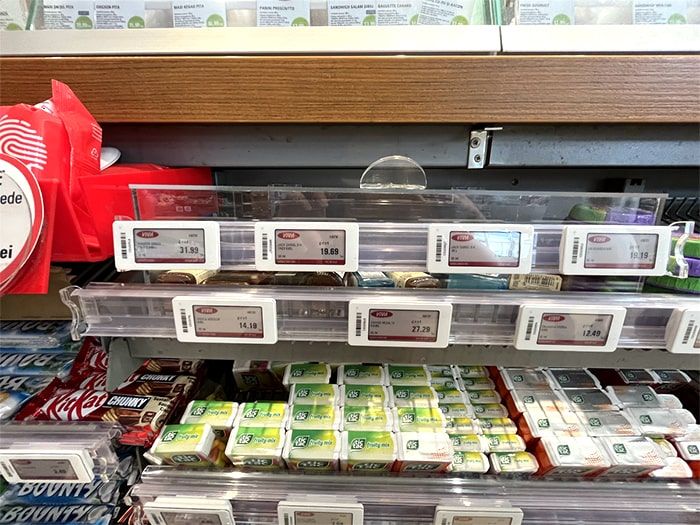
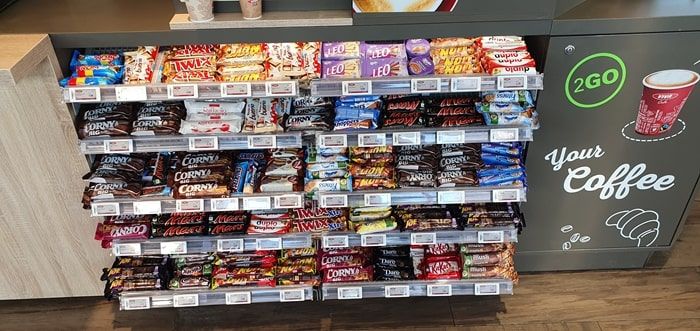
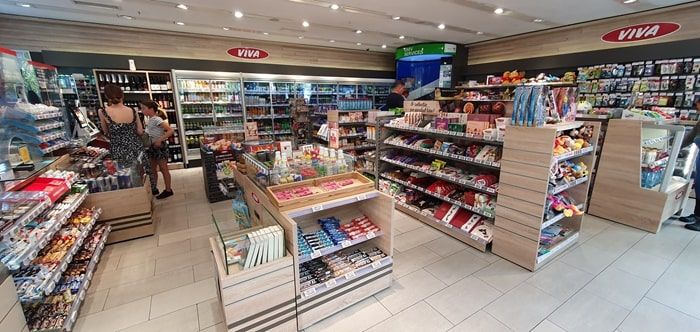
A fuel-station convenience store in Romania uses electronic labels throughout the shop: on the snack and confectionery gondolas next to the coffee corner, along the refrigerated drinks wall and on the counter displays at the till. Promotions on snacks and drinks are shown in colour on the label itself, so separate paper promotion tags are not needed on every shelf.
Forecourt shop with labels on snack, drinks and counter displays.
Example: fuel-station convenience stores, China
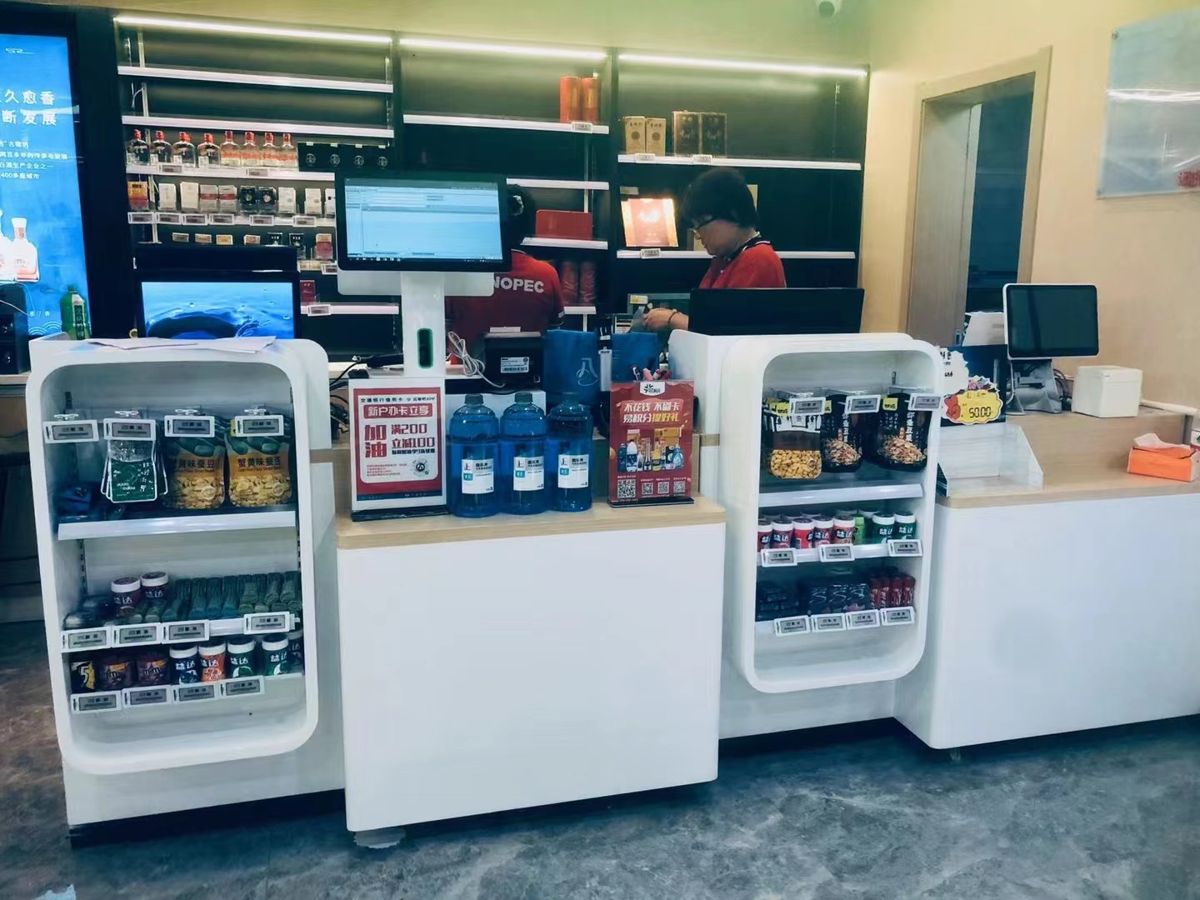
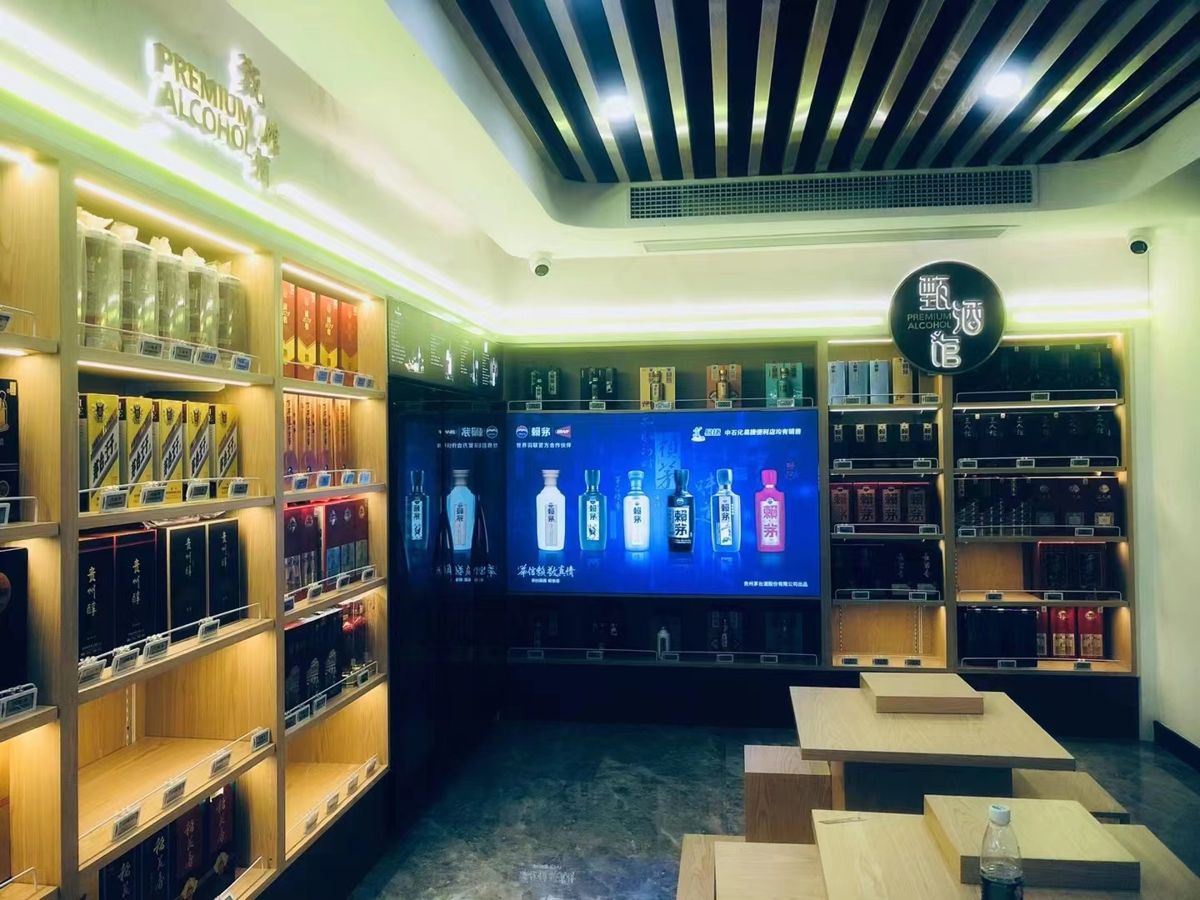
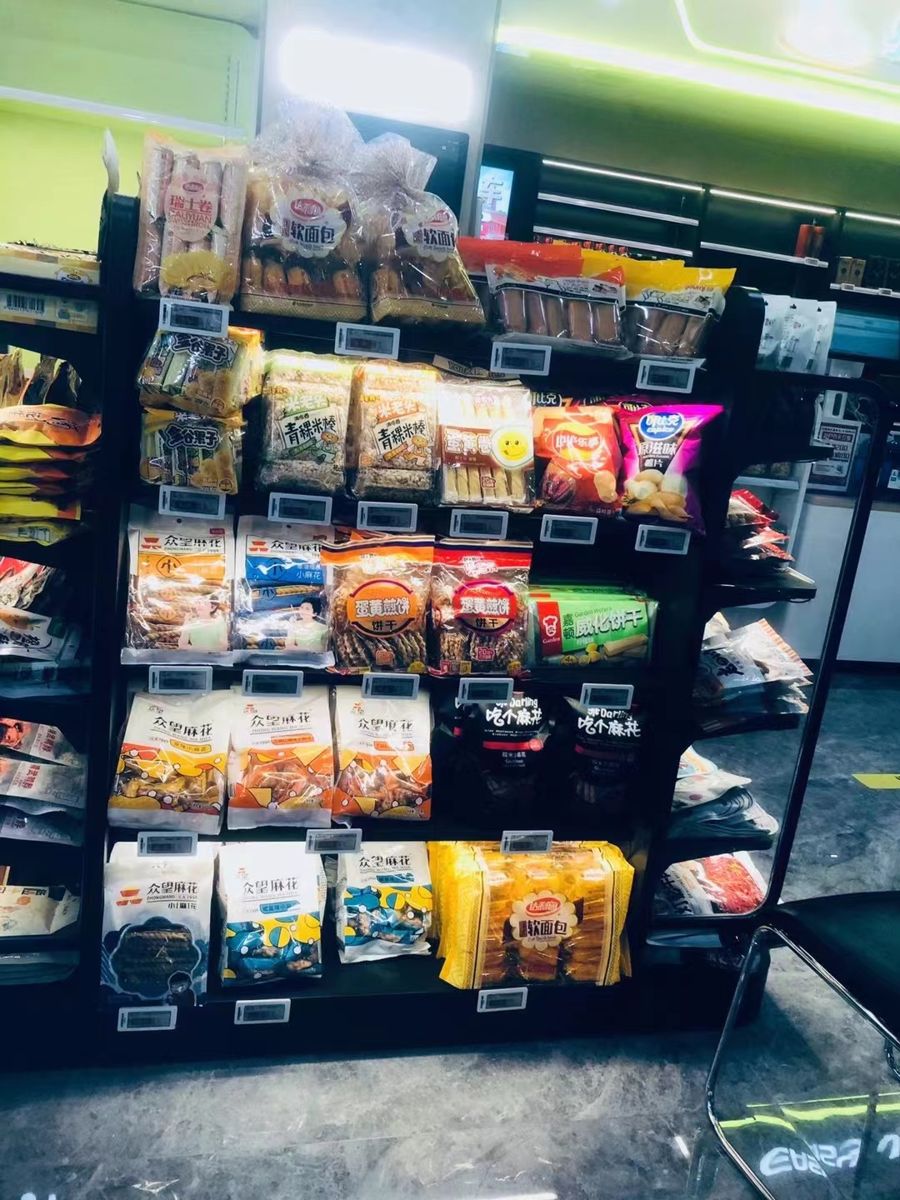
Convenience stores at fuel stations operated by a large fuel retailer in China installed labels on wall shelving for wine and spirits, on snack gondolas and at the checkout counter. Because the stores belong to a large network, prices and promotions can be set centrally and pushed to each store, rather than printed and posted to every site.
Network convenience stores with centrally managed prices.
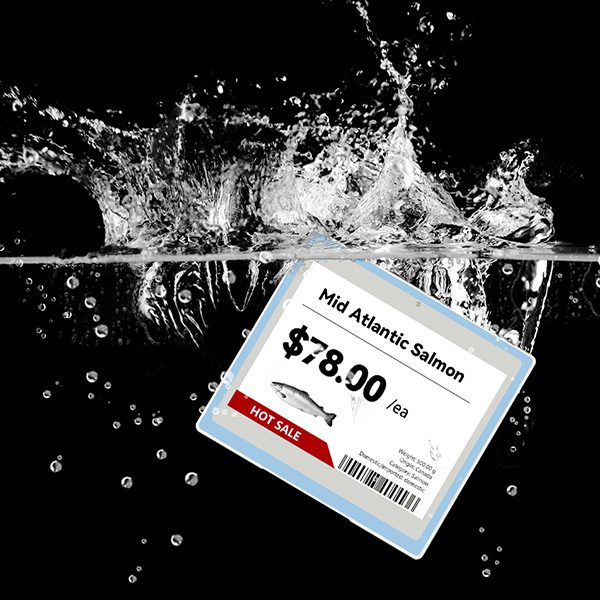
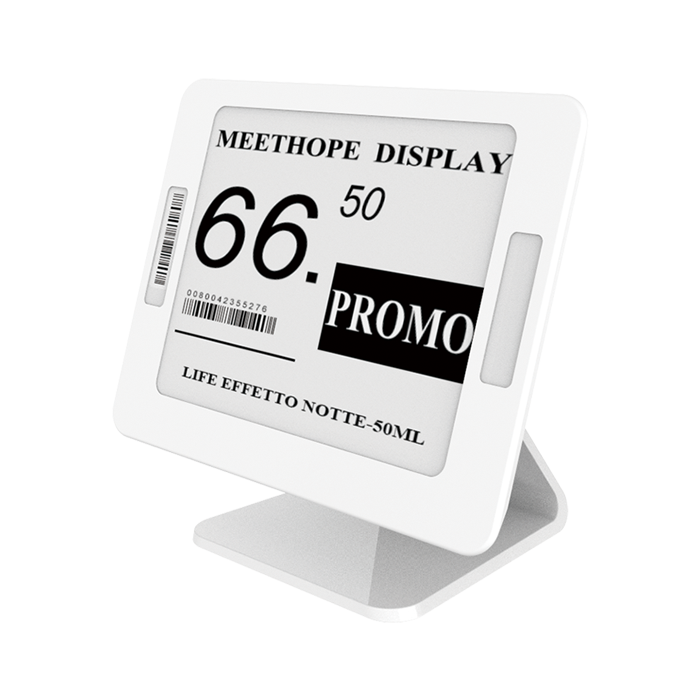
What works in forecourt stores: 2.13" labels on shelf edges; freezer models for ice cream and frozen food; four-colour labels for promotions; and larger labels on counter displays and coffee stations where bundle offers need more space.
Station, airport and travel retail
Shops in railway stations, bus terminals and airports face the same pressures as forecourt stores, often with stricter rules on how fixtures can be installed. Electronic labels fit standard shelving and need no power at the shelf, which simplifies approval in public buildings. Travel retail often shows prices in two currencies or two languages; templates can carry both, and the exchange-rate conversion can be updated centrally.
- Station convenience and newsagents — standard shelf-edge labels on drinks, snacks and travel items.
- Airport shops — bilingual labels and promotion templates for fragrances, confectionery and souvenirs.
- Vending-style kiosks and micro-markets — small labels on open shelving where there is no staff to update prices.
E-paper signs for public information
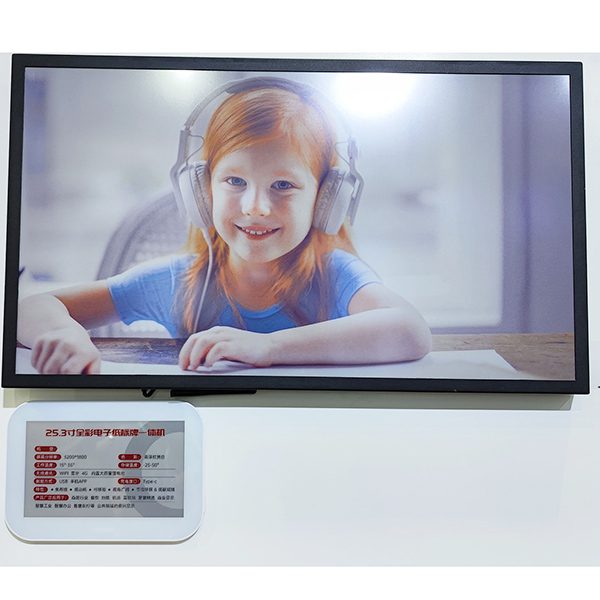
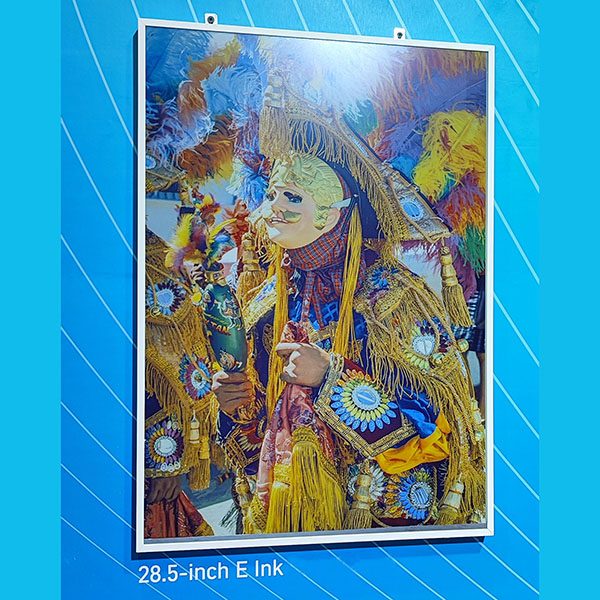
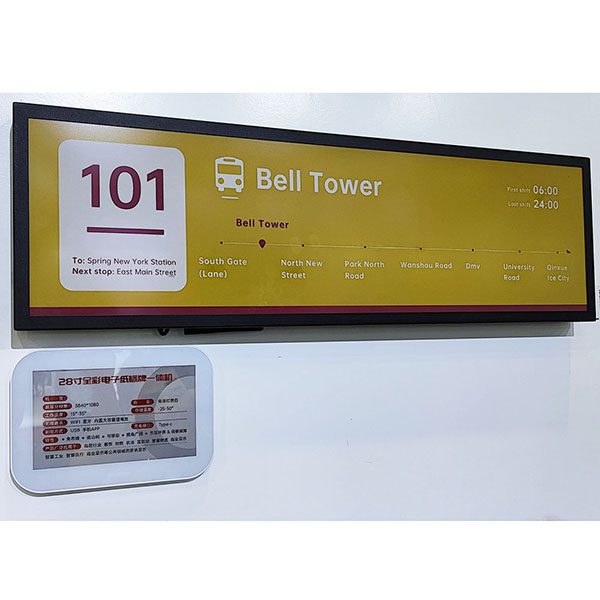
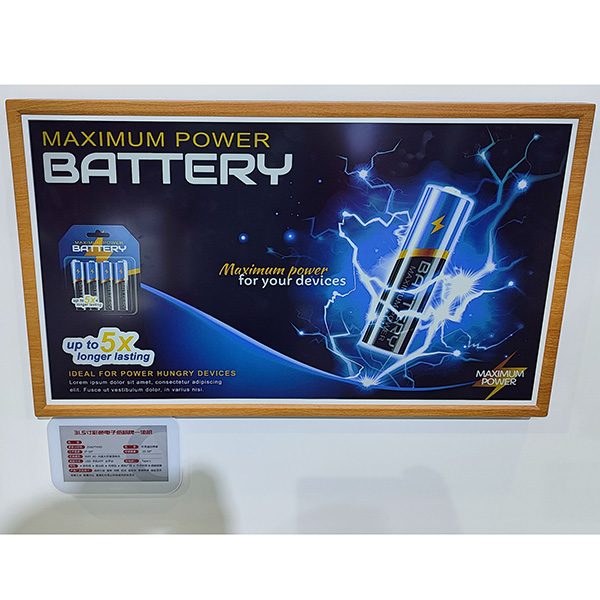
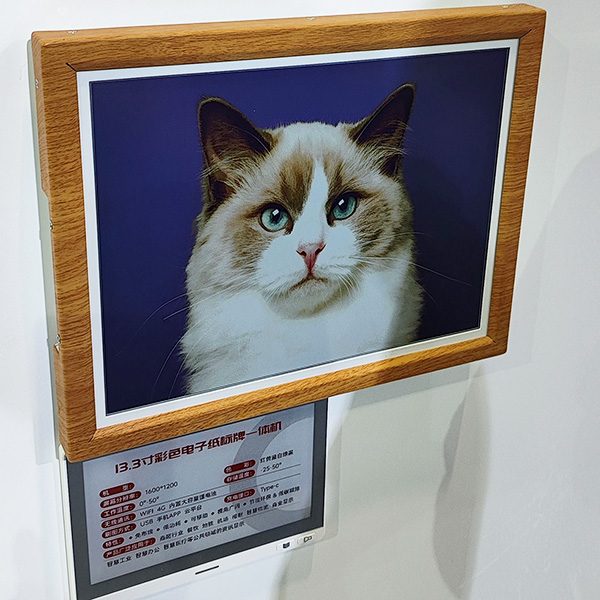
The same technology scales up to signs. E-paper displays from 7.5" to 13.3" and larger can show timetables, notices, opening hours or wayfinding information, updated from a central system. They are readable in daylight, use power only when the content changes and can run on batteries where there is no power supply. See e-paper display signage for available formats.
- Timetables and notices at stops and stations, changed centrally for service updates.
- Room and gate signs in terminals and offices.
- Parking and facility signs showing rules, tariffs or opening times.
For outdoor installations, ask us about the right housing and display; standard shelf labels are designed for indoor use from 0 to 40 °C.
Label sizes for transport retail
| Position | Suggested size | Typical content |
|---|
| Shelf edges | 2.13" | Name, price, unit price, promotion flag |
| Freezers | 2.13" / 2.66" freezer models | Name, price |
| Counter displays and coffee stations | 4.2" – 7.5" | Bundle offers, meal deals |
| Information signs | 7.5" – 13.3" | Timetables, notices, wayfinding |
Managing a network of sites
The ESL management system is organised by store: each site has its own base stations and labels, while products and prices come from your central system through the REST API. Head office sets network-wide prices and promotions; local exceptions can be handled per store. Each label reports battery level and signal strength, so the operations team can see from one dashboard which sites need attention. One AES-AP01 base station usually covers a small forecourt shop on its own.
A label plan for a typical forecourt shop
A fuel-station shop is small but dense, and almost every fixture type of a supermarket appears in a few square metres. A typical label plan looks like this:
| Area | Labels | Notes |
|---|
| Snack and confectionery gondolas | 2.13" on shelf rails | Most positions in the shop; promotions in colour |
| Drinks fridges | 2.13" on the inside rails | Readable through the glass door |
| Ice cream and frozen food | 2.13" / 2.66" freezer models | Rated −25 to +30 °C |
| Coffee station and food-to-go | 4.2" – 7.5" | Bundles such as coffee and pastry |
| Counter and impulse displays | 1.54" – 2.13" | Small items near the till |
| Car-care and motoring products | 2.13" – 2.9" on hooks | Oil, wipers, accessories |
One base station usually covers the shop. Labels for the car-care area outside the shop need a separate check for coverage and weather protection.
Template ideas for forecourt and travel retail
- Shelf label: product, price, unit price where required and a promotion flag.
- Bundle label: “coffee + pastry” style deals with the bundle price and the saving.
- Loyalty label: regular price and member price side by side.
- Travel-retail label: product name in two languages and the price in two currencies.
- Information sign: opening hours, service notices or a timetable on a larger e-paper display.
Rolling out across a network of sites
- Standardise the label plan per shop format, so each new site follows the same fixture-by-fixture list.
- Pilot two or three sites of different formats with an ESL demo kit and the live connection to your central pricing.
- Build the templates and integration once; every further site reuses them.
- Prepare kits per site — labels, rails, one base station — so installation takes a single visit.
- Monitor from the dashboard: battery and signal per label, per site, so service visits are planned rather than reactive.
Because the per-site work is small, a network can be rolled out quickly once the first sites are proven. The budget depends on the number of sites and positions per site, base stations, mounting accessories, the software licence and integration.
FAQ
Are electronic shelf labels suitable for fuel-station shops?
Yes. They let a network change prices and promotions centrally, which suits small shops that run long hours with few staff.
How many base stations does a small convenience store need?
Usually one. An AES-AP01 typically covers a radius of 20–25 m indoors, which is enough for most forecourt shops.
Can labels show two currencies or languages?
Yes. Templates can show prices in two currencies and product names in two languages, useful for airports and border areas.
Can e-paper signs be used outdoors?
Standard shelf labels are for indoor use. For outdoor signs, ask us about suitable housings and displays for your location.
Running a network of forecourt or travel shops? Tell us how many sites and price positions you have, and we will suggest a pilot store setup — or start with an
ESL demo kit.