
1. Fully Connected Omnichannel Retail
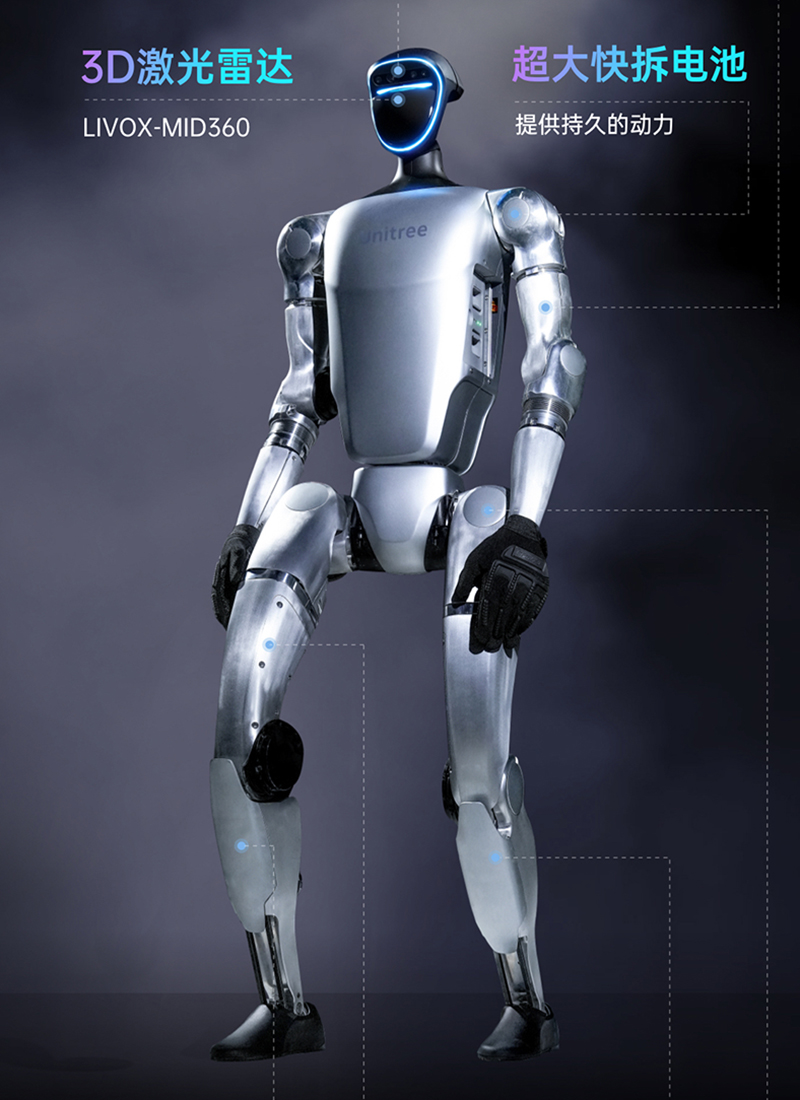
Seamless Online-Offline Integration: Retailers will synchronize inventory, pricing, and promotional data across physical stores and e-commerce platforms. Intelligent robots could handle in-store order picking for "click and collect" services.
Virtual Shopping Assistants: Using augmented reality (AR), customers can view detailed product information, dynamic pricing, and personalized recommendations in real-time.
2. Personalized Shopping Experiences
Dynamic Recommendations: Traffic systems integrated with AI can analyze customer preferences and suggest tailored product options as they shop.
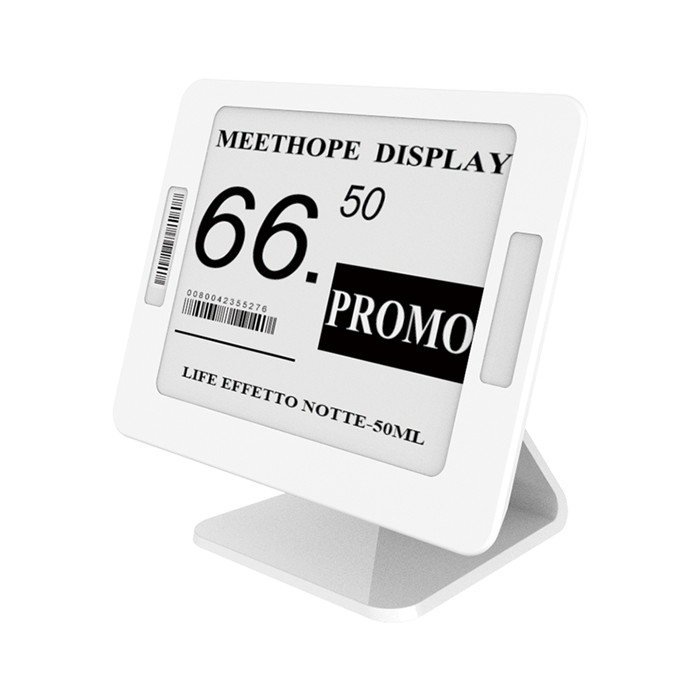
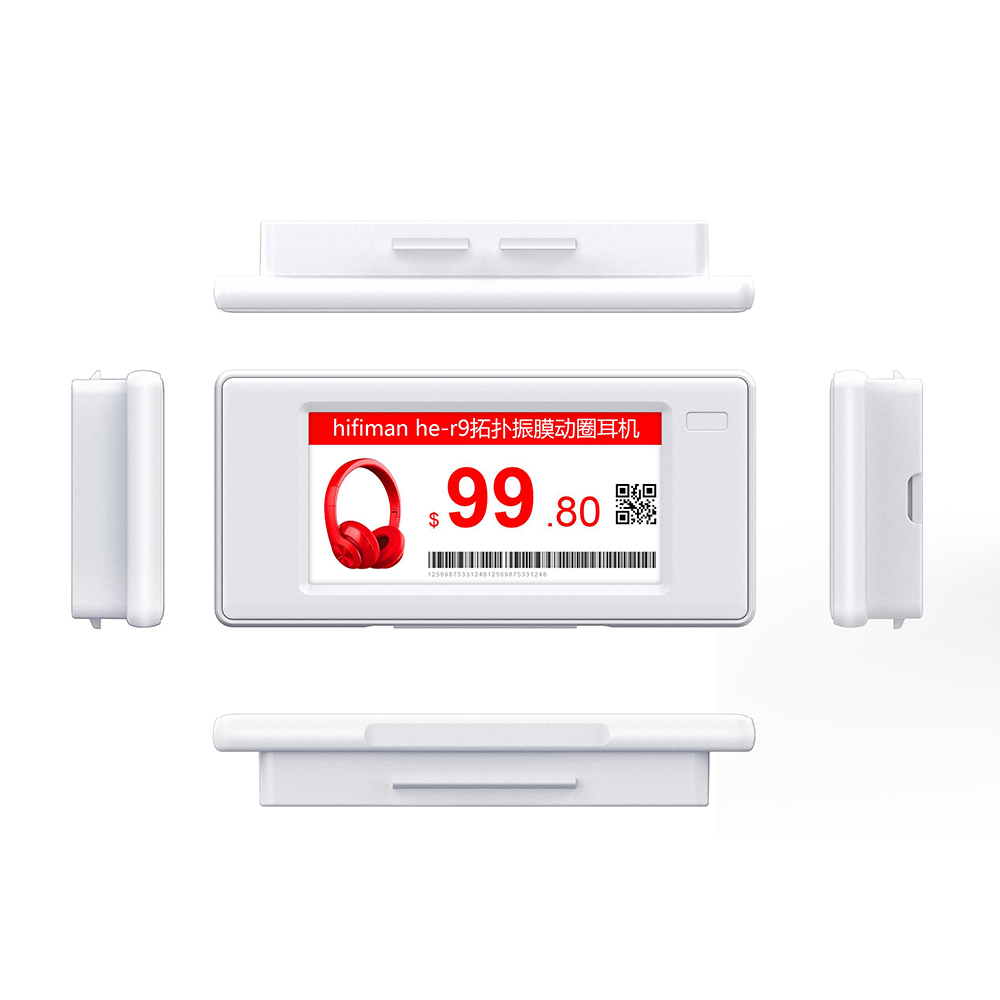
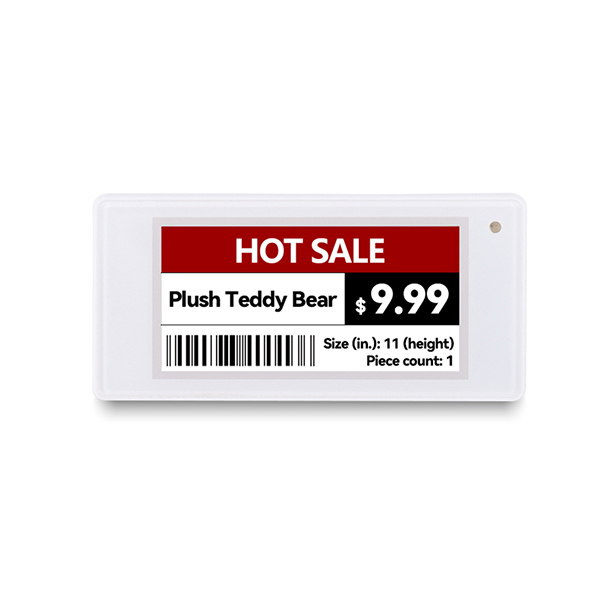
Smart Pricing: ESLs will enable dynamic pricing strategies based on demand, traffic patterns, and inventory levels.
Interactive Engagement: Robots could serve as personal shopping guides, answering queries and highlighting promotions directly displayed on ESLs.
3. Automation-Powered Efficiency
End-to-End Inventory Management: Robots will autonomously monitor stock levels and communicate with warehouses for automatic replenishment, minimizing stockouts.
Shelf Optimization: Data-driven insights will enable robots to adjust product displays and maximize shelf space based on sales patterns.
4. Data-Driven Decision-Making
Real-Time Analytics: AI algorithms will process traffic data and sales metrics, providing actionable insights to optimize store operations.
Predictive Trends: Historical data combined with machine learning will forecast consumer behavior, enabling proactive inventory and marketing strategies.
5. Emergence of New Business Models
On-Demand Customization: ESLs and robots will facilitate personalized product design, empowering customers to customize on the spot.
Autonomous Stores: Fully unmanned stores with robotic assistance and ESL integration will operate 24/7, offering ultimate convenience.
6. Enhanced Sustainability
Energy Optimization: AI algorithms will manage energy consumption in stores, adjusting lighting and climate control based on real-time traffic data.
Waste Reduction: Robots and ESLs can track product expiration dates, promoting timely discounts to prevent waste.
Green Supply Chains: Integrated systems will streamline logistics, reducing carbon footprints.
7. Redefining Consumer Behavior
Social Interaction: Intelligent robots could host interactive events and promotions, transforming shopping into an engaging experience.
Instant Purchase: Customers can instantly buy products by scanning dynamic QR codes displayed on ESLs.
Emotion Recognition: AI-enabled robots can analyze customer emotions and adapt their interactions to enhance satisfaction.
8. Cross-Industry Adoption
Multi-Industry Applications: These technologies will expand beyond retail, entering sectors like healthcare, education, and hospitality.
Community Retail Networks: Robots and ESLs could support local pop-up shops or mobile retail units, offering services in underserved areas.
9. Advanced Security and Privacy
Smart Surveillance: Integrated systems will identify potential security threats using real-time traffic monitoring and AI analysis.
Data Privacy: Edge computing and blockchain technology will ensure secure and transparent data handling for customers.
10. Unified AI-IoT Ecosystem
Collaborative IoT Devices: All in-store devices, including robots, ESLs, and sensors, will operate in harmony under a centralized AI system.
Rapid Event Response: In peak traffic hours, AI will coordinate robots for faster replenishment and dynamic promotional updates.
Driving Forces Behind Future Growth
Technological Advancements: Progress in AI, robotics, and IoT will enable more sophisticated solutions.
Evolving Consumer Expectations: The demand for convenience and personalization will drive adoption.
Intensifying Retail Competition: Businesses will prioritize differentiation through smart technologies.
Regulatory Support: Governments may establish standards and provide incentives for smart retail adoption.
Smart store IoT solutions
Dynamic pricing technology
Inventory automation robots
Retail sustainability trends
AI-driven retail predictions
