

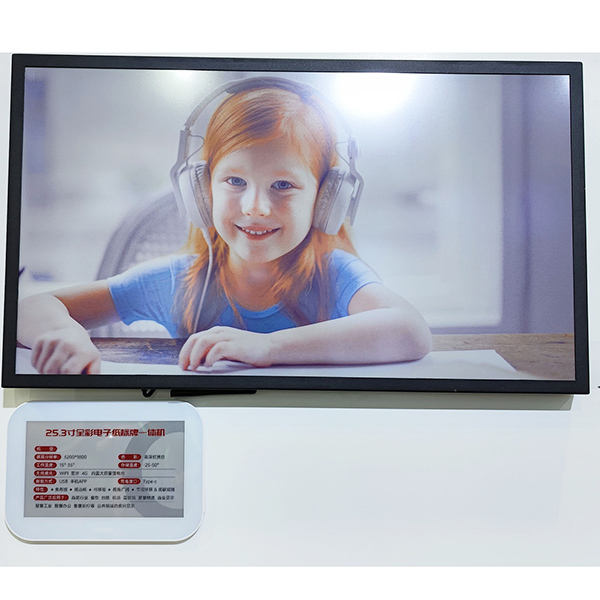
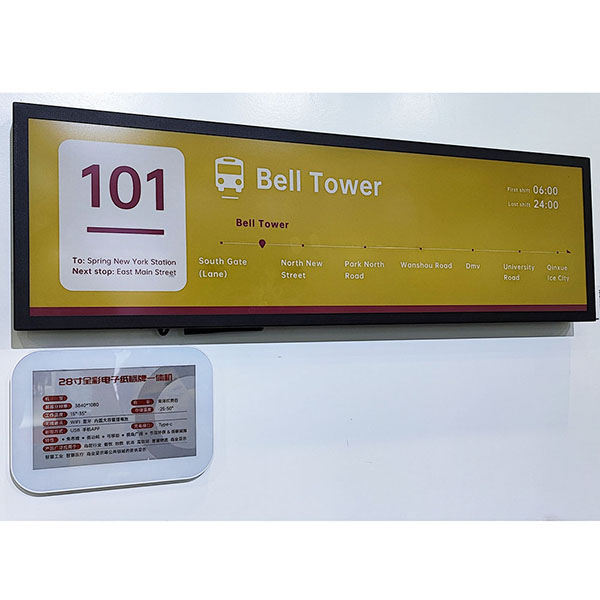
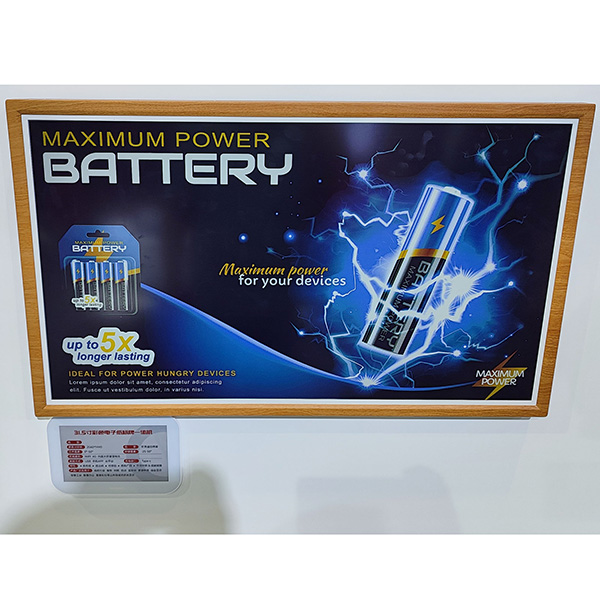

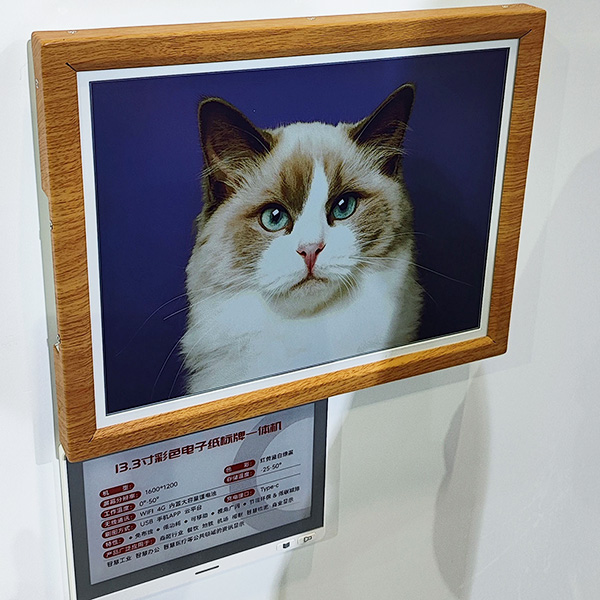
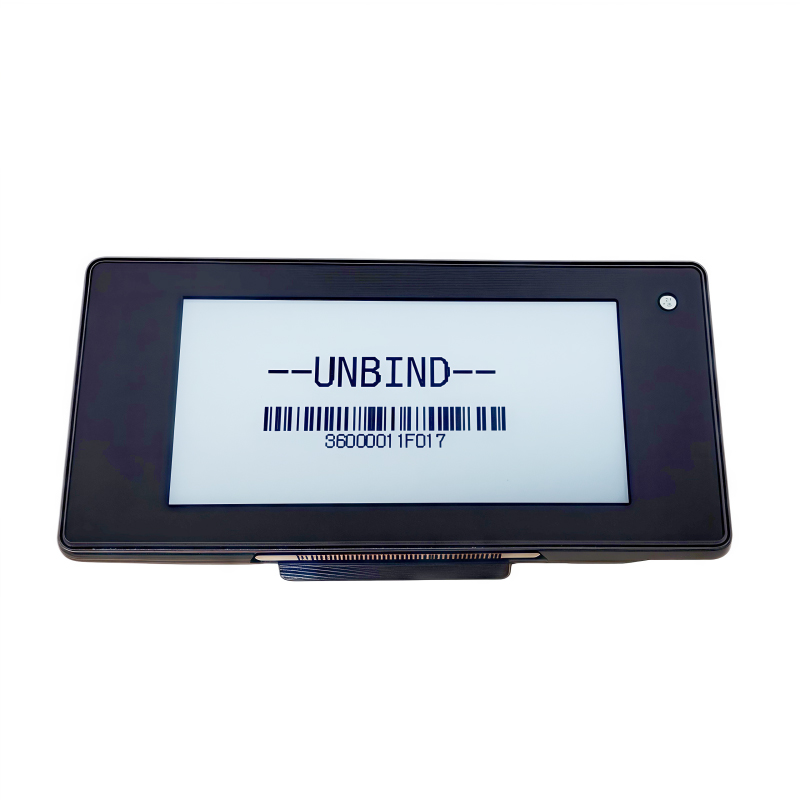
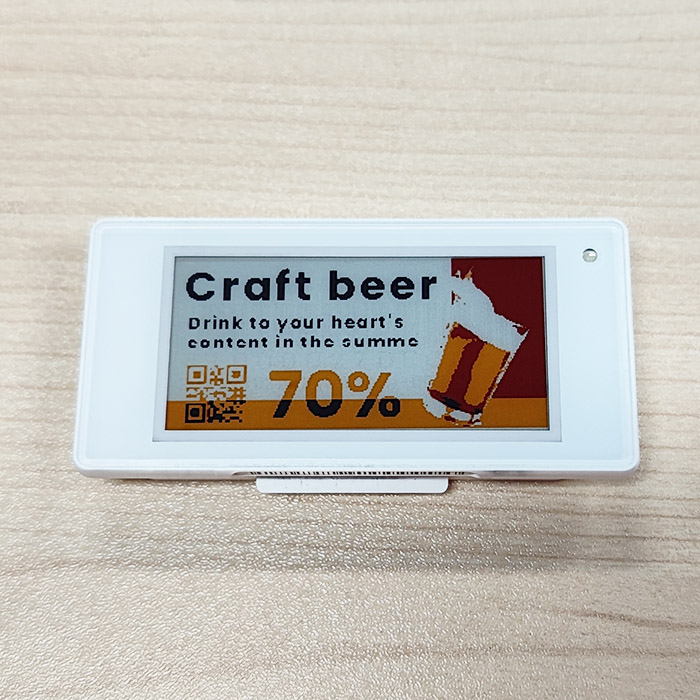


After the launch of the DeepSeek large model in China and a significant reduction in training costs, companies in the electronic shelf label (ESL) industry can achieve technological upgrades and business expansion through the following opportunity points:
1. Intelligent Pricing and Dynamic Price Optimization
Real-Time Price Adjustment: By leveraging the real-time data analysis capabilities of large models, ESL systems can integrate multidimensional information—such as market demand, inventory status, and consumer behavior—to implement dynamic pricing strategies. For example, by analyzing the effectiveness of promotional activities or competitors’ pricing, the system can automatically adjust the price displayed on the shelf.
Personalized Promotions: Using the natural language processing capabilities of large models, personalized promotional copy can be generated and directly synchronized to the ESL, thereby enhancing consumer interaction and experience.
2. Inventory Management and Supply Chain Collaboration
Demand Forecasting and Replenishment Optimization: Based on the analysis of historical sales data, seasonal factors, and supply chain delays by large models, the ESL system can integrate with the inventory management system to automatically trigger replenishment alerts or adjust product display strategies, thus reducing the risk of stockouts.
Multimodal Data Integration: By combining image recognition (e.g., monitoring the shelf display status of products) with text analysis (e.g., supplier information), large models can optimize inventory turnover and provide real-time feedback on shelf status via ESL.
3. Edge Computing and Localized Deployment
Low-Cost Edge AI Devices: DeepSeek’s low-energy consumption technology (such as optimizing the performance of older chip models) supports the deployment of lightweight models on ESL terminals, enabling localized data processing (e.g., for price calculation and consumer behavior analysis). This reduces dependence on cloud services and improves response speed.
Energy Efficiency and Extended Battery Life: The reduction in model training costs enables companies to develop more efficient algorithms that can extend the battery life of ESL devices and lower maintenance costs.
4. Customer Experience and Interaction Enhancement
Multimodal Interaction Features: By integrating the visual and voice capabilities of large models, ESLs can support features such as scanning to retrieve product details or voice-based Q&A. For instance, a consumer might scan a shelf label to get a nutritional analysis or style recommendations.
Accessibility Services: Leveraging the text generation and translation capabilities of large models, ESLs can offer multi-language displays or voice-guided shopping assistance, thereby catering to a broader range of users.
5. Industry-Customized Solution Development
Vertical Scenario Model Training: With the low-cost large model training capability, companies can develop specialized models for specific sectors such as retail or logistics. For example, a dynamic pricing model based on shelf life for fresh produce in supermarkets or an automated inventory counting system for warehouse applications.
Data-Driven Value-Added Services: By analyzing offline consumer data collected by ESLs, companies can provide merchants with value-added services such as foot traffic analysis and hot zone statistics, further expanding their business model.
6. Supply Chain and Ecosystem Collaboration
Hardware Cost Optimization: DeepSeek’s efficient use of domestic chips (e.g., from SMIC, HuaHong Semiconductor) can lower the hardware costs of ESL devices, thereby driving industry-wide large-scale applications.
Cross-Platform Integration: By partnering with cloud service providers (such as Alibaba Cloud or Tencent Cloud) and leveraging their lower-priced AI service interfaces (such as the Qianfan platform), companies can rapidly integrate large model capabilities and accelerate product iteration.
Summary
The cost reduction and technological accessibility brought about by DeepSeek have transformed the ESL industry from a “passive display tool” into an “intelligent decision-making terminal.” To achieve this transformation, enterprises must focus on enhancing data integration capabilities, deploying edge computing solutions, and innovating in vertical-specific scenarios. At the same time, leveraging domestic supply chain advantages to reduce costs will be key to capturing market opportunities in smart retail and IoT.
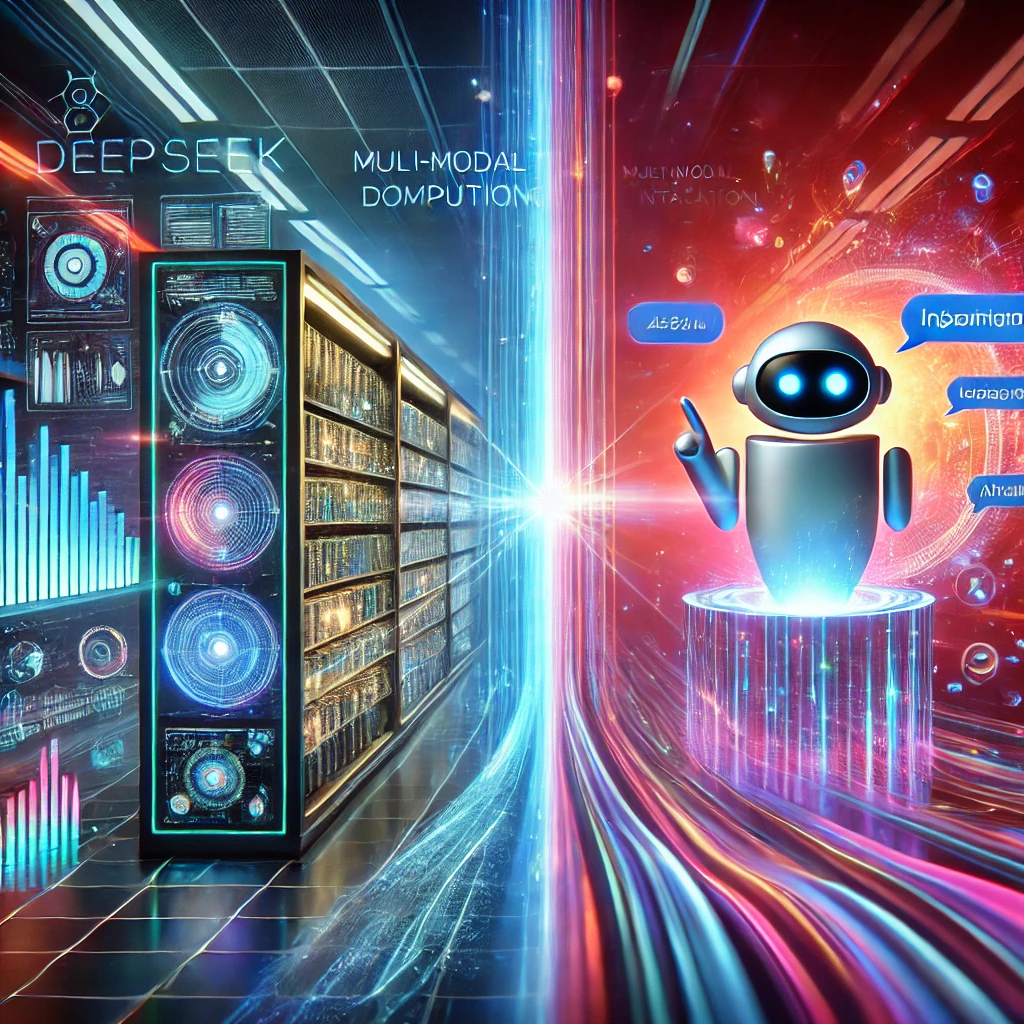
I. Technical Challenges and Key Milestones
1. Edge Computing and Low-Power Optimization
Challenge: Electronic shelf labels (ESLs) are typically battery-powered with limited computing resources. Running AI models efficiently on low-power devices (e.g., dynamic pricing, image recognition) is a core issue.
Breakthrough Directions:
Develop lightweight AI models (e.g., TinyML) for edge devices.
Optimize hardware design by adopting low-power chips (e.g., domestic RISC-V architecture) and energy-efficient displays (e.g., e-ink screens).
Utilize DeepSeek’s model compression and quantization techniques to reduce computational complexity.
2. Multi-Modal Data Integration and Real-Time Processing
Challenge: ESLs must integrate data from multiple sources such as ERP, POS, cameras, and sensors and ensure real-time processing and feedback.
Breakthrough Directions:
Build a unified data platform to support standardized access and processing of multi-modal data.
Develop efficient real-time data processing algorithms to enable features like dynamic pricing and inventory alerts.
Leverage DeepSeek’s multi-modal learning capabilities to enhance the accuracy and efficiency of data integration.
3. Model Generalization and Scenario Adaptation
Challenge: ESLs are used in diverse scenarios (e.g., retail, warehousing, logistics), with varying AI model requirements for each use case.
Breakthrough Directions:
Use DeepSeek’s pre-trained models to fine-tune for specific scenarios (e.g., dynamic pricing for fresh produce stores, inventory tracking models for warehouses).
Build scenario-specific datasets to improve the generalization and adaptability of models.
4. Data Security and Privacy Protection
Challenge: ESLs handle large volumes of user behavior and business data, requiring a balance between data sharing and privacy protection.
Breakthrough Directions:
Implement federated learning to train AI models without sharing raw data.
Utilize DeepSeek’s encrypted computation capabilities to secure data transmission and storage.
Establish robust data governance mechanisms to comply with regulations like GDPR and China’s Data Security Law.
5. System Integration and Ecosystem Collaboration
Challenge: Seamless integration of ESLs with ERP, POS, and supply chain management systems involves high technical complexity.
Breakthrough Directions:
Develop standardized API interfaces for cross-platform data exchange.
Partner with cloud service providers (e.g., Alibaba Cloud, Tencent Cloud) to accelerate system integration using their AI capabilities.
Foster an open industry ecosystem, encouraging collaboration among hardware manufacturers, software developers, and service providers.
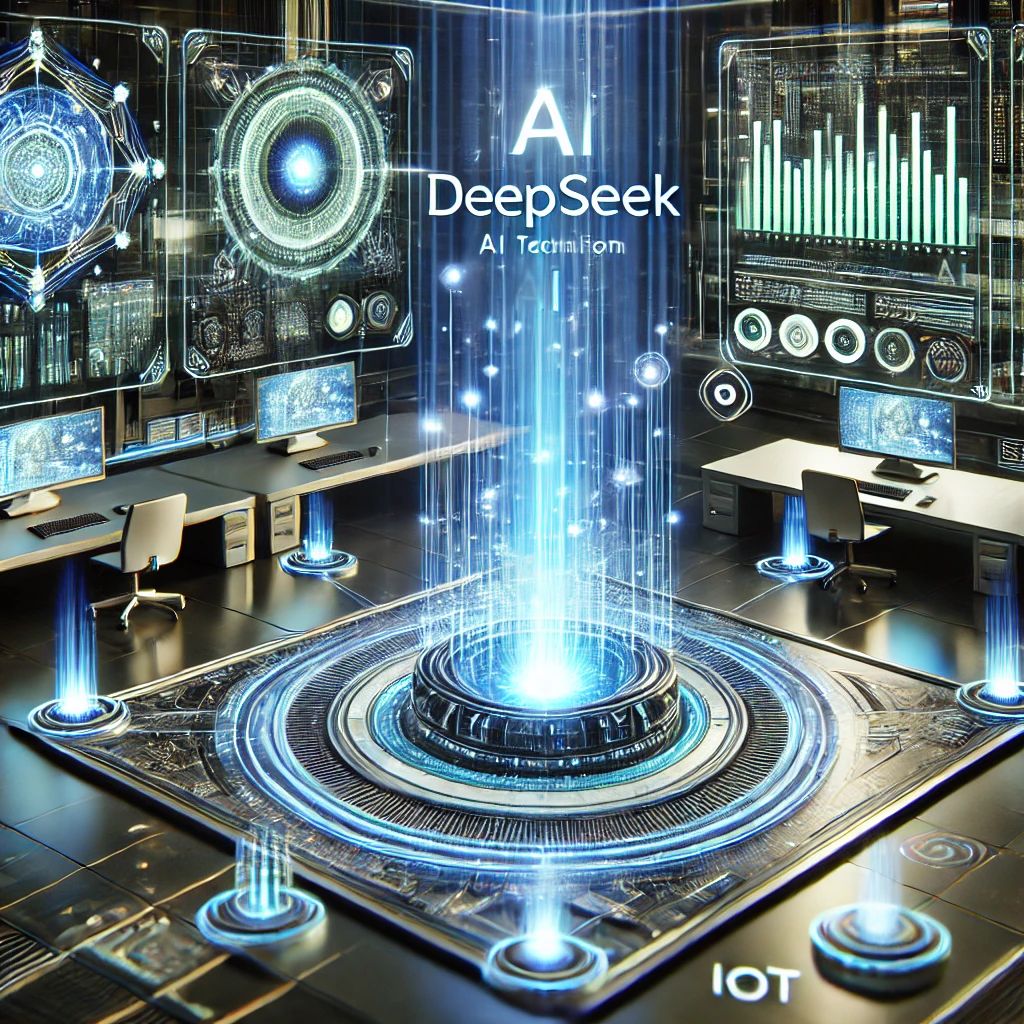
II. DeepSeek’s Profound Impact on the ESL Industry
1. Lowering Technological Barriers and Costs
DeepSeek’s optimization of model training and inference efficiency significantly reduces the cost of AI adoption, enabling SMEs to afford intelligent upgrades.
The widespread use of domestically developed technologies (e.g., chips, algorithms) further reduces hardware and software costs.
2. Accelerating Industry Intelligent Transformation
DeepSeek’s multi-modal learning and real-time data processing capabilities empower ESLs with enhanced intelligent features (e.g., dynamic pricing, inventory management).
Through technological inclusivity, it propels ESLs from being mere display tools to intelligent decision-making terminals.
3. Promoting Standardization and Ecosystem Development
DeepSeek’s openness and compatibility facilitate the standardization of ESL technology.
Deep integration with fields like cloud computing and IoT fosters a more open industry ecosystem.
4. Enhancing User Experience and Business Value
AI-driven personalized services (e.g., promotional text generation, multi-language support) improve consumer engagement.
Data-driven decision optimization (e.g., dynamic pricing, inventory alerts) enhances operational efficiency and profitability for businesses.
III. Future Outlook
With the ongoing maturation and widespread adoption of DeepSeek technology, the ESL industry is poised for the following trends:
Hardware Intelligence: ESLs will integrate more sensors (e.g., RFID, cameras) to support more complex AI functions.
Diverse Applications: ESL applications will expand beyond retail to sectors like warehousing, logistics, and healthcare.
Ecosystem Collaboration: Industry stakeholders will strengthen partnerships, creating a more integrated value chain.
Data Monetization: AI will unlock the commercial value of ESL data, driving innovation in data-driven business models.
Conclusion
Transforming ESLs into “intelligent decision-making terminals” requires breakthroughs in edge computing, multi-modal data integration, model generalization, and system collaboration. By leveraging DeepSeek’s technological advances, the ESL industry can accelerate its evolution, enhancing operational efficiency and creating new business opportunities.
